
For a long, long time, edge computing was thought of as an expensive and complicated technology, often reserved for large enterprises equipped with the most sophisticated hardware. The perception of edge computing has changed. Businesses across the UK are realizing that flexible and cost-effective systems deliver powerful results while requiring minimal effort.
At the center of this change is the rise of platforms that combine simpleness with scalability. The edge computing solution UK companies can now count on has a distinct appearance from the typical system. Organizations are shifting processing from centralized data centres to closer to the data source.
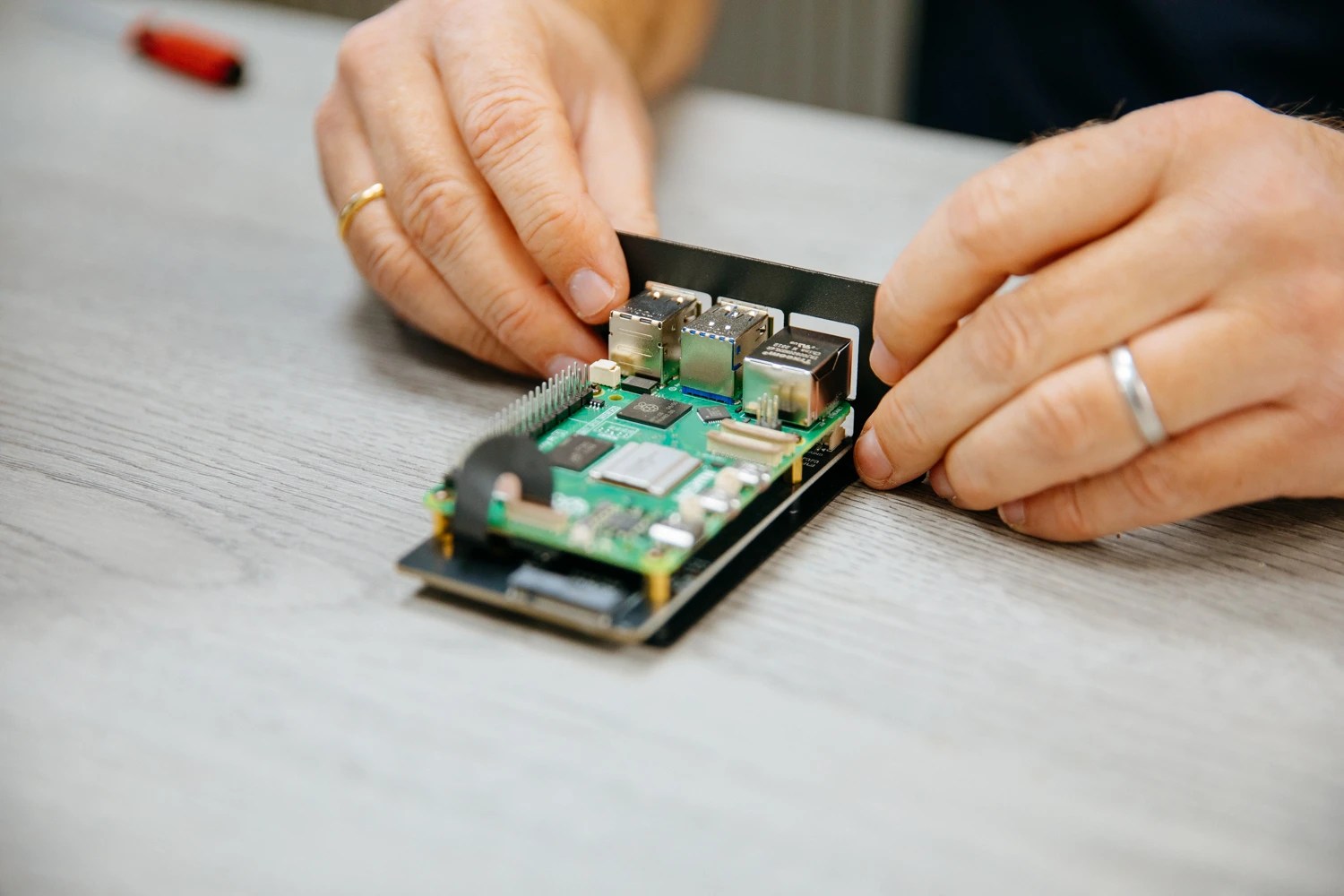
This change improves the speed of decision making It also reduces latency and makes it possible the making of real-time decisions.
Small Devices to Enterprise Systems
The Raspberry Pi has come a long way from its early reputation as a tool for learning. While it was initially a tool for hobbyists, it is now used in real-world infrastructure for industries like manufacturing, logistics and smart environments.
Through platforms like ScalerPi, businesses can transform a single device into an integral part of a coordinated system. A Raspberry Pi cluster production use model allows multiple units to work together, creating a distributed system capable of handling complex workloads.
This allows you to scale up from a single prototype to thousands of connected devices that all work in perfect harmony.
Kubernetes at the Edge
Modern infrastructure usually rely on containerized software as well as orchestration tools. Kubernetes has become the norm for managing these environments however, running it at the edge introduces new problems.
On-premises solutions for kubernetes allow you to control your environment while still enjoying the versatility that container orchestration can provide. Businesses can deploy and manage their own systems instead entirely relying upon cloud providers.
It allows the attainment of a balance between control and performance. Organizations can then tailor their infrastructure to meet particular operational requirements. ScalerPi helps bridge this gap by combining hardware experience with modern software practices, making advanced deployments easier to access.
Why Data Sovereignty is becoming more important
As regulations for data become more complicated, companies are becoming more aware of the location where their data is stored and processed. Cloud providers are usually external, which could raise questions about compliance and control.
A sovereign cloud solution UK companies can use can help keep data within national boundaries and still provide high-performance. It ensures that sensitive information is protected and is in compliance to local regulations.
Companies can gain flexibility and accountability when they integrate edge computing within their sovereign infrastructure. Data is processed near its origin while still being monitored.
Simple deployments for complex systems
The administration of large numbers of devices poses a serious challenge to edge computing. As deployments increase, it becomes more difficult to maintain consistency, security and performance.
ScalerPi provides a full stack approach, which includes hardware supply and management as well as consulting. The integrated model makes it easier to manage the process and allows teams to focus on their application, rather than infrastructure.
Edge computing solutions that UK companies can count on should not require constant intervention. It should instead provide the tools needed to automatize processes, check performance, and ensure reliability on every device.
Building Systems that Scale with confidence
In order to expand from a simple prototyping space to a production environment requires careful planning. Every stage presents new challenges, from hardware selection to software integration and ongoing maintenance.
Through the creation of a standardized framework to grow, a Raspberry Pi production cluster use strategy can make the move much easier. Businesses can expand at their own rate by expanding their devices or making adjustments without interrupting the system.
This flexibility is especially beneficial for businesses that are experimenting using new technologies or are attempting to enter new markets.
Future-proof and flexible
In the near future, infrastructure will be flexible, open, and efficient. Businesses don’t would like to be tied down by rigid systems that restrict their potential to develop.
With tools such as Kubernetes on-premise and a sovereign cloud solution UK companies gain more control over their data and operations. Together with the capacity of Raspberry Pi clusters, these solutions help to build a foundation that can support long-term expansion.
Edge Innovation: A New Way to Go Forward
Edge computing is no longer an new concept, but it is now an actual solution to current challenges. Combining inexpensive hardware with modern software lets companies build robust systems.
ScalerPi continues to assist companies overcome the barriers between their physical devices and cloud technologies. With its thoughtful design and secure deployment, it is making edge computing accessible to businesses of all sizes.
As businesses increasingly look into the potential benefits distributed systems provide, their capability to scale up efficiently and securely will determine the success of their venture in the future years.