
It’s very rare that an effective yard begins with costly equipment or a beautifully landscaped property. The majority of the time, it’s an individual who has planted several seeds and is attentive to the results. This can help them make better choices next time around.
The Sproutstead’s online resource is built on a practical model. It was developed to help people plant food, enhance soil fertility, preserve harvests and learn useful self-sufficiency techniques without becoming lost in the technical language.
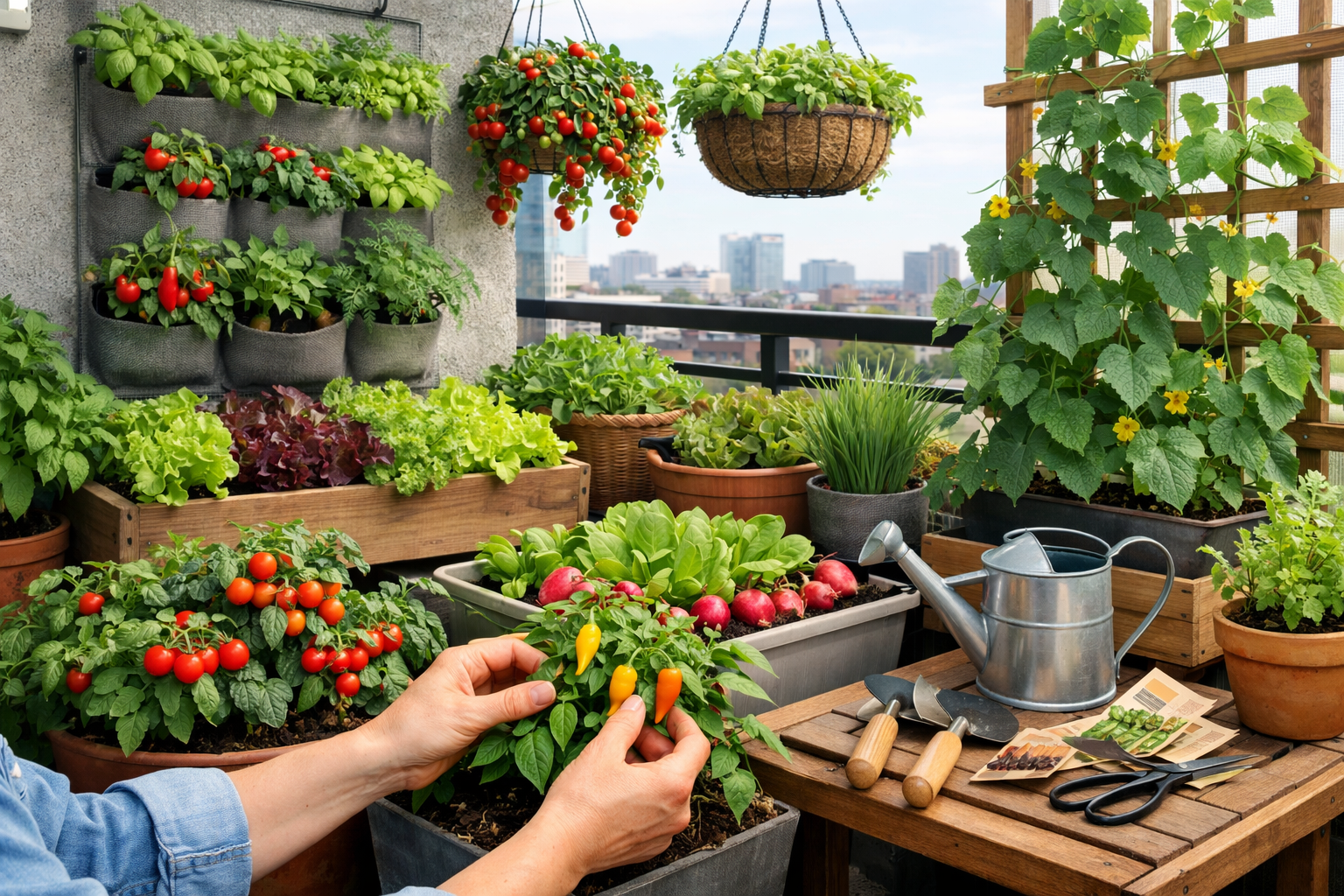
The conditions in your garden are different
The advice for gardening can be confusing as gardens don’t have the same characteristics. A tomato grown in a sunny raised bed in one region may differ from the same tomato grown in a heavy soil elsewhere with an earlier season.
Successful gardening and homesteading therefore involves more than following instructions. Understanding the conditions in which you live is essential for gardening.
The Sproutstead provides these details to assist readers in adapting the gardening skills they have learned to their home, rather than trying to duplicate someone else’s perfect arrangement.
Vegetable Gardening Starts Below the Surface
Naturally people pay greater attention to plants that they can see. However, the success of a garden project is in large part determined underground.
A proper balance between drainage, retention (retention of moisture) and nutrients as well as organic matter is important for healthy soil. Composting can enhance soil with time, and mulching may conserve moisture and suppress the growth of the weeds. Paying attention to these fundamentals can help you grow vegetables more easily because healthier growing conditions give plants a stronger foundation from the start.
Planning is equally important. The effectiveness of a gardener’s use of the space available can be determined by the spacing between plants, the timing for planting the crops, plants that are planted in companions and the season succession.
The Tomatoes Can Teach Us About paying attention
Ask 10 gardeners about tomatoes, and you’ll probably hear about ten different tales. They are among the most sought-after crops in home gardens and show the way that different environments for gardening can work together.
When looking into tomato cultivation it is important to consider the broader context of plantation and fertilizer schedules. The tomatoes require sufficient sunlight, consistent watering suitable soil, appropriate spacing and support when they mature. The selection of tomatoes is essential because conditions of the growing, the space available and their intended uses could affect which tomato is best.
It may not be possible to solve the problem by adding fertiliser. Insufficient nitrogen, temperatures as well as insufficient sunlight or pollination factors could be the reason. Examining the entire plant gives better clues than treating every symptoms in the same manner.
A Harvest Is Only Part of the Story
When half the vegetables spoil before they are eaten that makes a garden with twenty pounds of veggies seem less productive. When you’re planning a garden at home It is crucial to take into consideration what happens following harvest.
Canning, freezing, drying, sharing surplus food, preserving seeds that are suitable, and composting unwanted scraps can help households maximize the value of the food they produce. Chickens in the backyard, composting, fruit trees and herbs are all possible additions to the home system.
It is not necessary to follow each homesteading method at once. Growing lettuce effectively or improving the compost pile, or preserving the first tomato crop you grow yourself is meaningful progress.
Knowledge is Power: Better Gardeners are Developed by Using the right information.
It is not possible to guarantee perfect plants by using the most reliable gardening information. The weather changes, pests show up often, seeds can fail and suggestions vary based on the region.
The Sproutstead approach these realities as part of learning rather than a nebulous exception. By linking topics such as soil and vegetables, seed-starting, pesticides, preservation chemicals, backyard chickens, or self-sufficiency, with other topics, such as preservation backyard poultry, self-sufficiency, readers will gradually learn how to grow a garden.
It is best to design your garden productively in similar to how plants grow: seasonally gradually and from a firm base.