
Surface finishing has evolved to become a precise engineering process. Today’s industrial landscape, coating quality directly influences durability, corrosion resistance as well as overall perception of the product. A lot of facilities employ paint robots to enhance control and uniformity as standards worldwide tighten and customers require flawless finish.
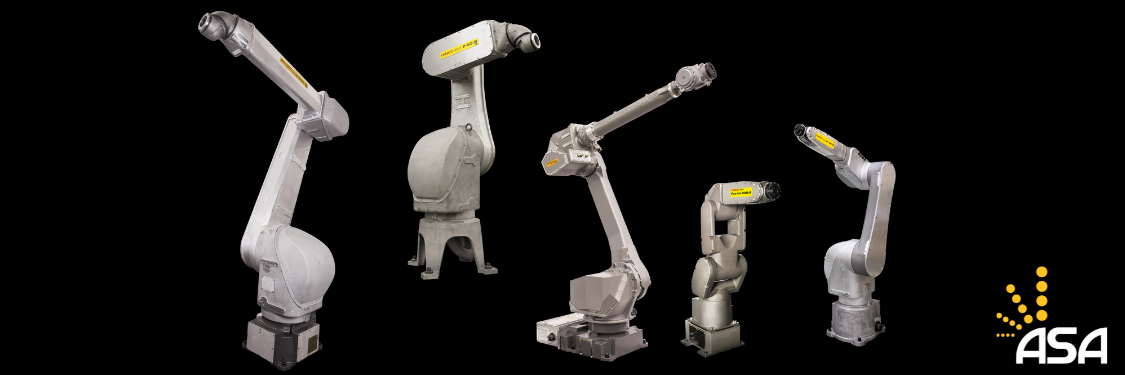
Image credit: automatedsolutions.com.au
Modern paint robots bring controlled motion and programmable precision to the applications that previously relied on operator technique. By automatizing spray paths, speeds, and angles of application manufacturers can eliminate a lot of the naiveties that lead to uneven film build or a high amount of material usage. This results in a consistent coating process that provides greater First Time Quality and reduced the need for rework.
Consistency, Efficiency, and Measurable Gains
The human factor or small variations in technique can result in variations in the thickness and coverage of hand paint. Paint robots eliminate that variability because they repeat the same motion pattern over and over again throughout the manufacturing process. This level is repeatability allows for a uniform finish on all parts and optimal distribution of materials.
The transfer efficiency of advanced paint systems that use robotics is improved. The overspray of paint is diminished when the distance and angle between the applicator’s component’s are kept precisely. A reduced amount of material waste can lead to savings in costs while reducing emissions of volatile organic compounds help in ensuring the environmental compliance.
Integrating fluid handling into paint robotics ensures consistency in mixing ratios of multi-component coats. This eliminates inconsistencies that can make it difficult to maintain the integrity of the finish. The combination of steady flow control and programmable parameters allows producers to fine-tune atomisation and spray patterns in real time, without interfering with production.
Productivity and safer workplaces
The main benefit of implementing a paint robot lies in an increase in uptime. Unlike manual operations, robotic paint cells run continuously and with only a few interruptions. Once they are programmed, they produce the same output without breaks or constant surveillance.
It is vital to think about safety when working in a facility that uses solvent-based or bi-component coatings. Paint that is atomized could create dangerous situations, particularly when working with substances that are flammable, or reactant. Modern paint robots are engineered for safe operation in demanding environments, helping reduce personnel exposure to harmful substances and improving workplace safety standards.
Conveyor tracking technology also improves efficiency by allowing for robotic paint application even when components are in motion. This feature increases the working space and makes sure that production lines run efficiently.
Australian Automation Expertise Supporting Industry
For manufacturers seeking to modernise their finishing processes having access to a skilled automation partners is vital. In Australia, Automated Solutions has gained a reputation of providing advanced robotic integration services. The team has a wealth of experience in automation engineering and has been certified as FANUC robot integration specialists. They aid businesses in the implementation of customized robotic paint solutions to their specific needs.
Through the combination of technical know-how and practical industry experience, Automated Solutions assists manufacturers in evaluating their existing processes and in designing optimized robotic paint cells. With the help of collaborative planning, simulations and system integration, businesses are able to better comprehend the expected improvements in performance prior to installing.
Paint robotics encompasses more than simply automation. It’s about improving quality, safety, and efficiency. Paint robots that are well-designed can transform surface finishing into a consistent, reliable and controlled process. The assistance of experts in automation can help manufacturers to improve their efficiency and competitiveness, as well as ensure the long-term development of a competitive market.